
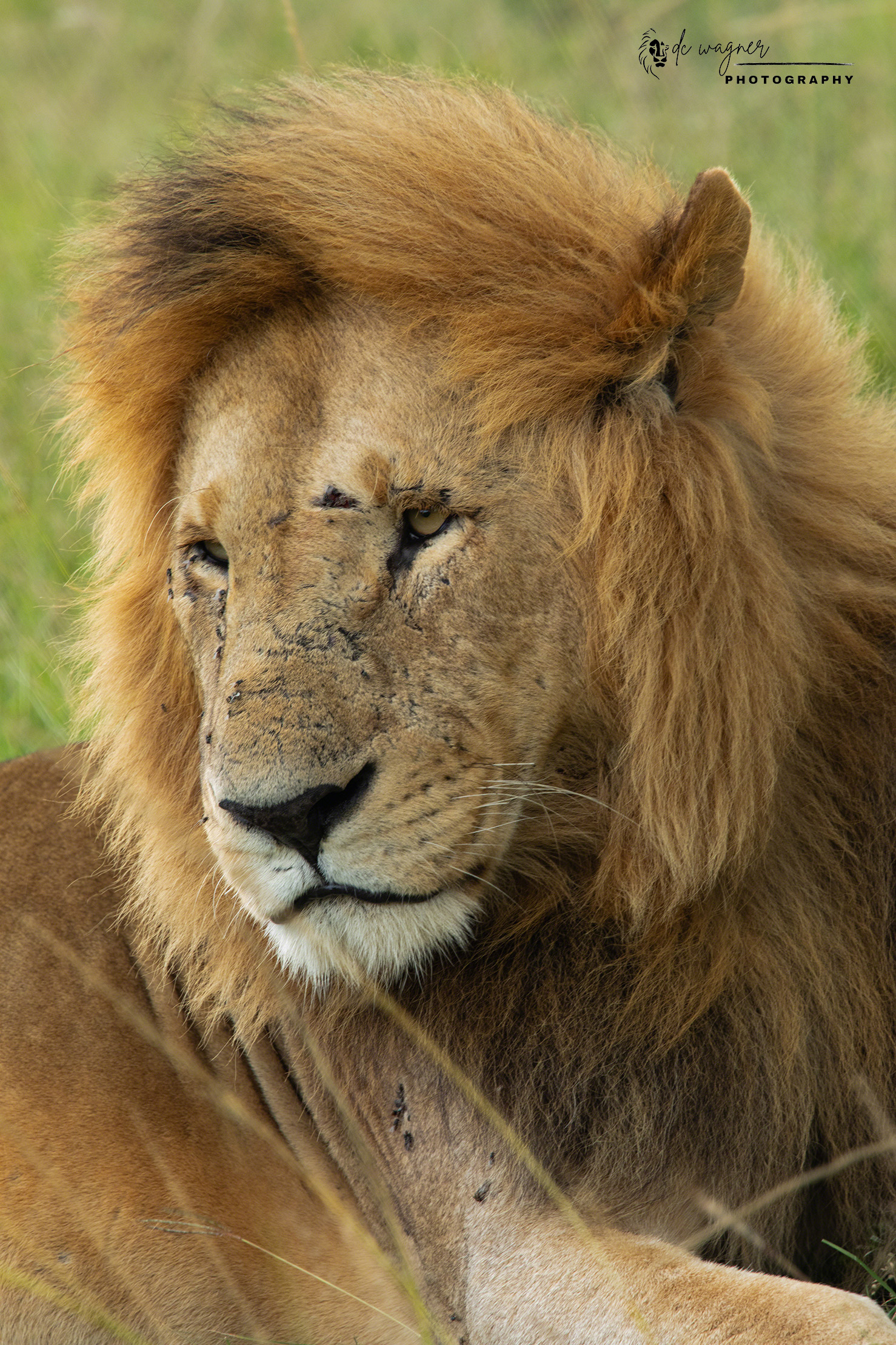
When to Go: Kenya's Safari Seasons, Explained
The "best" time to visit Kenya depends entirely on what you're hoping to see — here's how to actually choose.
Read the post →Planning guidance, conservation stories, and honest thoughts on traveling well in Kenya.
13 pages on planning timelines, real costs, choosing who to travel with, and the mistakes we see most often — nothing to fill in, nothing to buy.
The "best" time to visit Kenya depends entirely on what you're hoping to see — here's how to actually choose.
Read the post →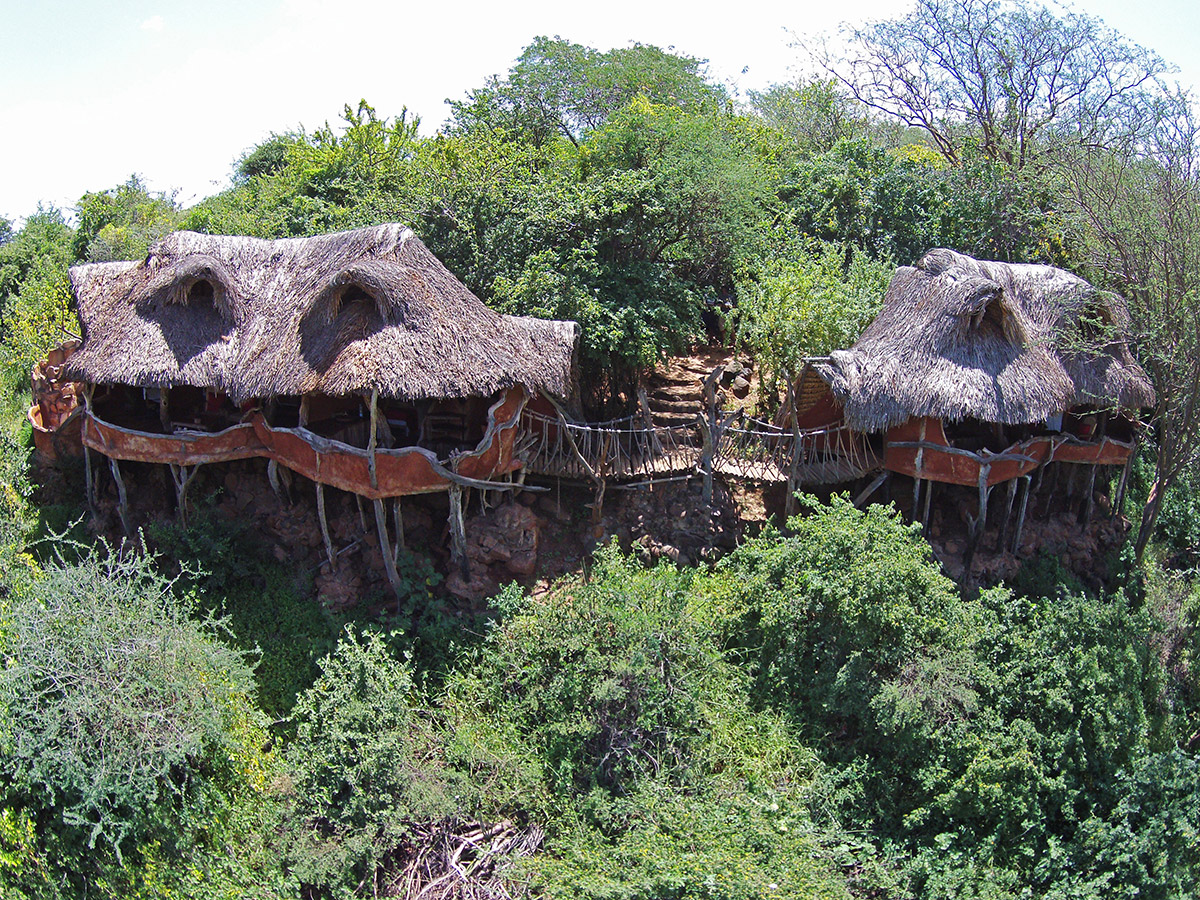
A realistic packing list from people who've done this a hundred times — not a generic travel-blog checklist.
Read the post →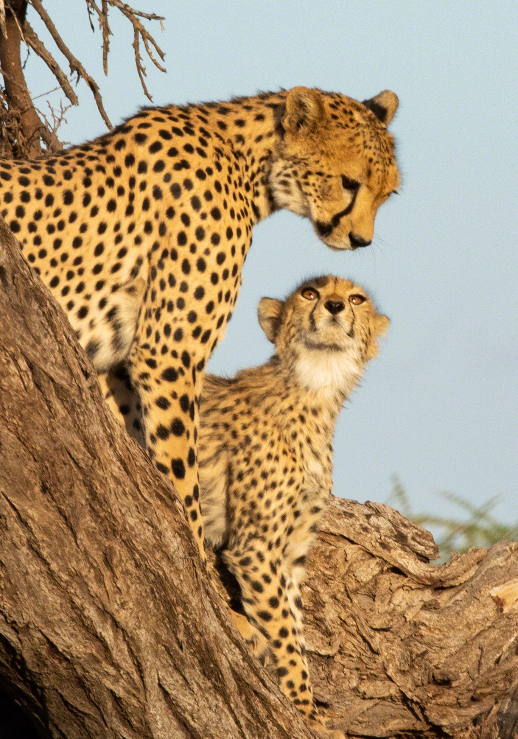
The thinking behind Milele Kenya's four named conservation partnerships — and why "giving back" needed to mean something specific.
Read the post →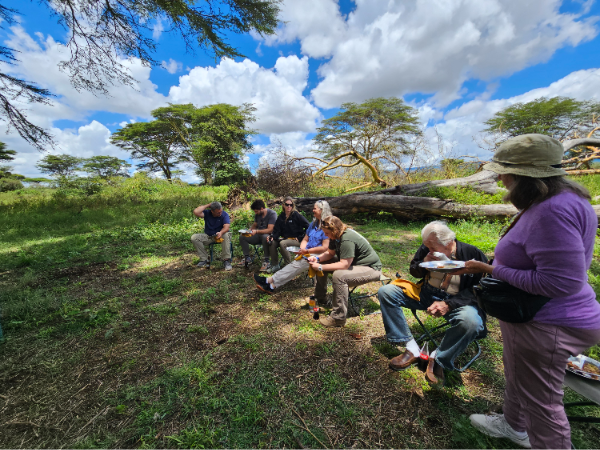
Beyond the Mara: the conservancies, forests, and reserves that don't make the postcards — but should.
Read the post →
Every prospective traveler asks the same question first: when's the best time to go? The honest answer is that Kenya doesn't have a single "best" season — it has several good ones, each suited to a different kind of trip. The right answer depends on what you actually want to see.
This is peak safari season for a reason. Vegetation thins out, water sources shrink to a handful of rivers and waterholes, and animals concentrate around them — which makes wildlife dramatically easier to find. If your trip centers on the Great Migration, the wildebeest herds are typically in the Maasai Mara from July through October, making river crossings one of the most dramatic wildlife spectacles anywhere on Earth. This is also the strongest window for our Tsavo Giants and Big Cat safaris.
Short, often brief afternoon showers give way to a landscape that turns dramatically green — and this is when Kenya's resident and migratory birdlife is at its best, with visitors arriving from Europe and Asia to escape the northern winter. It's also calving season in many areas, meaning newborn wildlife and, correspondingly, more predator activity. Our Raptors of the Rift conservation safari is timed to this window specifically.
The quietest, least-visited stretch of the year, and not without reason — roads can be difficult and some camps close entirely. But for travelers who don't mind uncertainty, this is when rates are lowest, camps are emptiest, and the landscape is at its most lush and dramatic.
If this is your first trip and you want the classic, high-density wildlife experience, plan for July through October. If you're a birder, come November through March. If your focus is a specific conservation safari, the season is often built into the trip itself — we'll always tell you the ideal window when we design your itinerary.
↑ Back to all posts
Most safari packing lists are recycled from generic travel blogs. Here's what actually matters, based on years of watching what guests wish they'd brought — and what they wish they'd left at home.
Heavy hardshell luggage (soft duffels pack better in safari vehicles), excessive camera gear you won't use, or a full first-aid pharmacy — most camps are better stocked than travelers expect. Check our full travel tips section for visa, vaccination, and currency details specific to your trip.
↑ Back to all posts
A lot of safari companies say they support conservation. Vague "we plant a tree per trip" language is common, and it's largely meaningless — it doesn't tell you which trees, where, planted by whom, or whether they survive the year.
When Denise designed Milele Kenya's conservation safaris, the goal was to avoid that vagueness entirely. Each of the four conservation-linked safaris is tied to one specific organization doing field work Denise knows personally: Action for Cheetahs in Kenya, Tsavo Trust, The Peregrine Fund, and Lewa Wildlife Conservancy. A portion of each booking goes directly to that organization — not a general fund, but the specific field programs described on each safari's page.
It's the difference between a donation you can trace and a marketing line you can't. When you book the "Connecting the Spots" safari, you're not vaguely "supporting cheetah conservation" — you're funding a specific scat-detection dog program and community education initiative run by an organization Denise has volunteered with for years. When possible, your itinerary includes time with that organization's actual field team, so the contribution isn't abstract.
Denise's own path — 30 years in wildlife conservation, beginning as a zookeeper — means these aren't arm's-length corporate partnerships. They're relationships built over nearly two decades of guiding safaris across the same landscapes these organizations are working to protect.
↑ Back to all posts